
Architecture and
Computational Design
Exploring architecture as permanent structures for uncertain futures.
WE DESIGN STRUCTURES
THAT OUTLIVE
THEIR FUNCTIONS
AB Architecture is an independent architecture and computational design practice exploring how buildings can remain useful beyond the conditions for which they were originally designed.
Through computational design, architectural research and experimentation, we investigate structures, spatial systems and design methods capable of accommodating change over time.
Permanent Architecture
Designing for the freedom of future generations.
Permanent Architecture is a research framework exploring how buildings can remain useful beyond the conditions for which they were originally designed.
It investigates the relationship between durable structures and temporary components, creating architecture capable of accommodating transformation while preserving spatial freedom for future generations.
Structure is Architecture.
The primary structure is not a support system for architecture; it is architecture itself.
What Protects is Permanent.
All elements that protect human life from climate, fire, water, wind, and structural failure must be designed for permanence.
Space Must Be Generous.
Every space shall possess the capacity to accommodate uses beyond those originally intended.
What Ages Must Be Replaceable.
Any component with a limited lifespan shall be removable and replaceable without demolition.
Form Creates Climate.
Architecture must shape and regulate its own microclimate through form, orientation, mass, and void control.
Finishes Belong to the Short Term.
Finishes, fittings, and interior layers are temporary and must be conceived as replaceable over time.
Buildings Must Care for Their Inhabitants.
Buildings shall be capable of monitoring their own condition and supporting the well-being of those who occupy them.
Space Must Be Transformable.
Every volume shall be capable of subdivision, expansion, or reconfiguration without altering the primary structure.
Architecture Must Preserve Freedom.
Architecture must not attempt to predict the future; it must preserve the freedom of future generations to shape it.
Form Must Adapt to Climate, Not the Other Way Around.
The built form shall respond to environmental conditions before relying on mechanical systems to overcome them.
Computational Design
A method of investigation.
We use computation not as a formal language, but as a method to investigate architectural systems, evaluate alternatives and construct relationships between geometry, performance and fabrication.
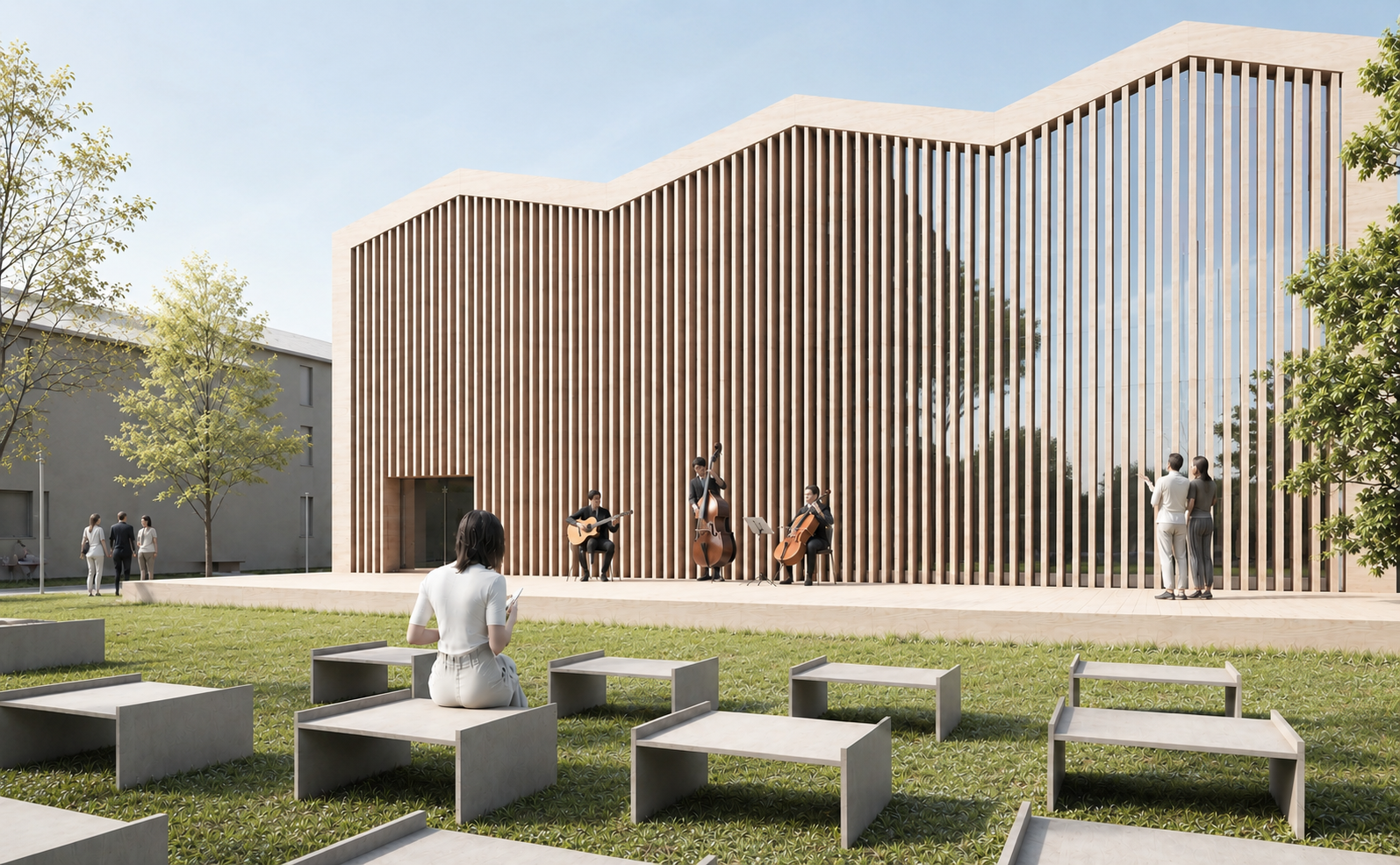
Parametric Facade
A civic building conceived as a permanent urban structure, where the façade becomes an environmental interface rather than a decorative skin. Geometry, light and performance are integrated into a single architectural system.
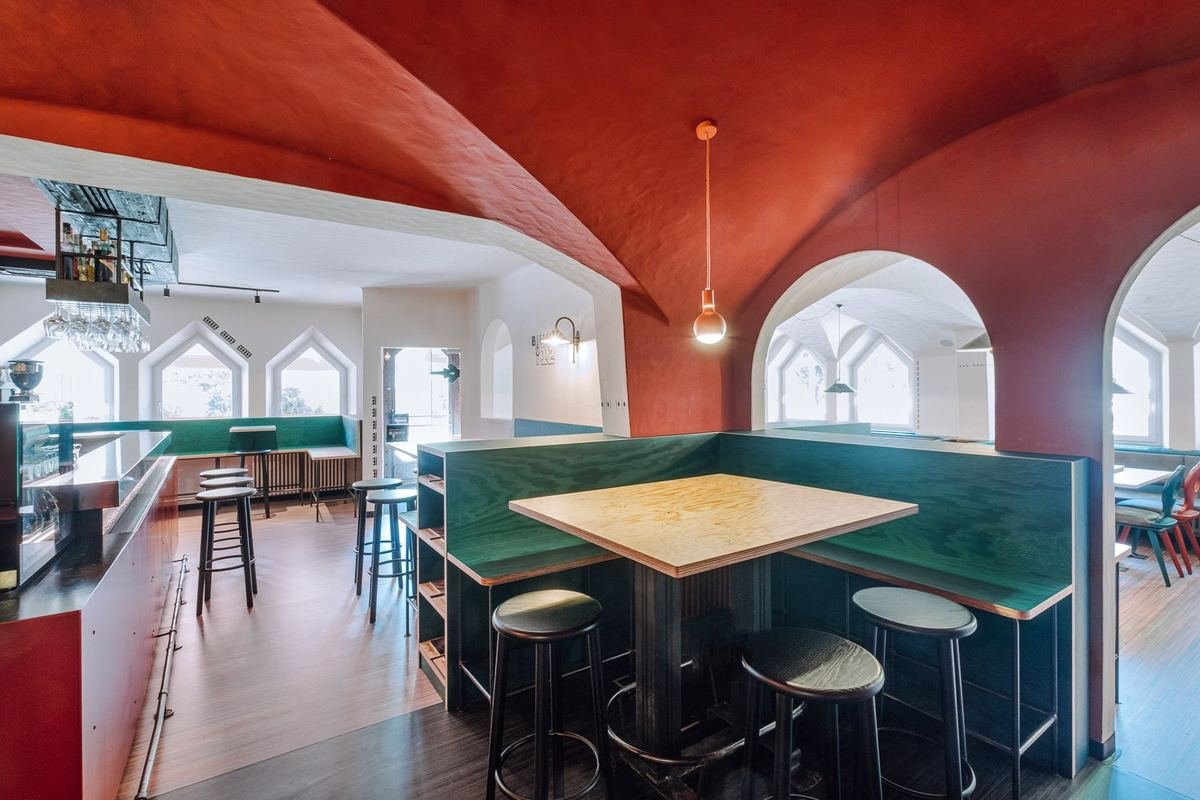
Biwak 12
A contemporary reinterpretation of an existing alpine restaurant, balancing material identity, spatial atmosphere and functional transformation. Awarded with the BIG SEE Interior Design Award.

Filicori Zecchini
A retail space conceived as a continuous spatial sequence, where architecture strengthens brand identity through light, proportion and carefully crafted details. A compact intervention designed for flexibility and long-term adaptability.
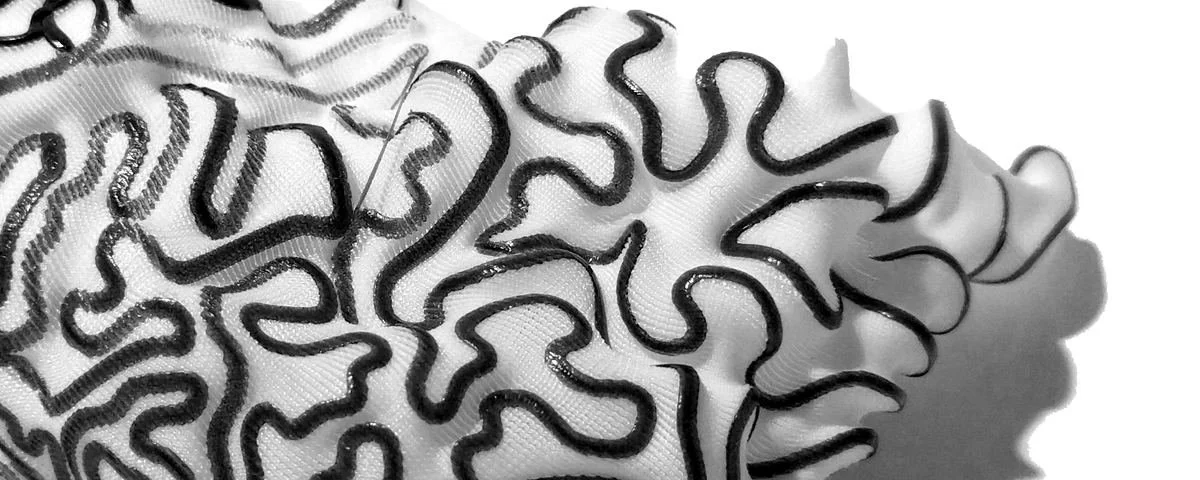
Informed Flexible Matters
An experimental investigation into informed matter and computational fabrication, exploring how material behaviour can generate adaptive architectural systems through parametric design and digital manufacturing.
Selected Projects
Architecture shaped by research and computational design.
Selected projects represent different applications of the same architectural research.
Through buildings, competitions and speculative design, each project investigates how computational methods can support a more permanent, adaptable and resilient architecture.
Contacts
The practice operates between architectural design, computational methods and research on adaptable and long-lasting architectural systems.